
How Much House Can You Afford? A Guide for Homebuyers
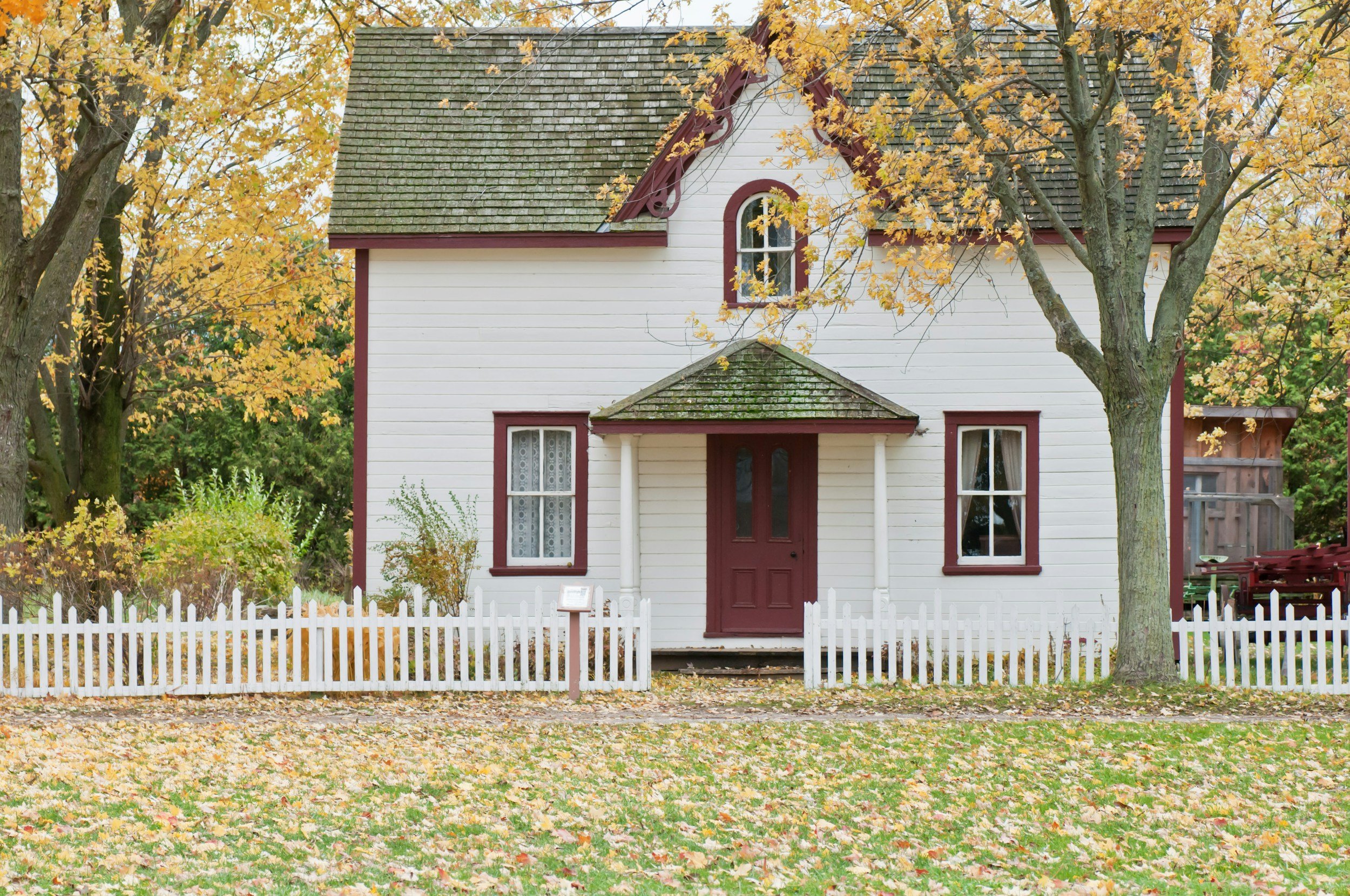
Buying a home is one of the biggest financial decisions you'll make. Whether you're a first-time homebuyer, growing your family, or preparing to relocate, one of the first questions you'll probably ask is: How much house can I afford?
Check out our related blog: The True Cost of Buying a Home: What Every Buyer Should Know
You may have a number in mind based on your income, savings, or the homes you've been browsing online. But the answer depends on more than the purchase price or monthly mortgage payment. Your income, existing debts, credit history, down payment, mortgage interest rate, property taxes, insurance, and everyday living expenses all affect what you can comfortably afford. There's also an important difference between what a lender will approve and what fits your lifestyle.
At Evergreen Real Estate, we believe informed homebuyers make stronger decisions. This guide will walk you through how to estimate your home-buying budget, understand the true cost of homeownership, and prepare for your next step.
1. How Much House Can You Afford Based on Your Income?
Your household income is one of the starting points for determining your home-buying budget. However, there isn't one universal income-to-home-price formula that works for everyone.
Two different households earning the same amount may have very different budgets because of their debt, savings, family expenses, and financial priorities. A common budgeting guideline is to keep your total monthly housing payment around 25%–30% of your gross monthly income. This is a starting point, not a guarantee of affordability or a universal lending requirement. Your personal budget may call for a lower percentage, and some buyers may qualify for more.
For example, consider a household earning $100,000 annually.
Gross monthly income: Approximately $8,333
Housing budget at 25%: Approximately $2,083 per month
Housing budget at 30%: Approximately $2,500 per month
These figures represent potential monthly housing budgets, not the purchase price of a home. Your actual budget must account for property taxes, homeowners insurance, mortgage insurance when applicable, HOA fees, and other ownership expenses.
Your take-home pay also matters. Taxes, health insurance, retirement contributions, childcare, and other deductions affect how much money you have available each month.
The goal is to choose a home that fits your financial life—not to spend every dollar a lender will allow.
2. Understand Your Debt-to-Income Ratio
Lenders use a measurement called the debt-to-income ratio, or DTI, to evaluate how much of your income goes toward monthly debt payments.
Your DTI is calculated by dividing your monthly debt payments by your gross monthly income.
DTI formula:
Monthly debt payments ÷ Gross monthly income × 100 = DTI
For example, suppose your household earns $8,000 per month before taxes and has the following monthly obligations:
Car payment: $400
Student loan payment: $250
Credit card minimum payments: $150
Proposed total monthly housing payment: $2,400
Your total monthly debt obligations would be $3,200.
Your DTI would be 40%.
Lenders evaluate DTI when determining mortgage eligibility, but acceptable ratios vary by loan program, lender, and the rest of your financial profile. A ratio that qualifies for a loan doesn't necessarily mean the payment will feel comfortable in your household budget.
Why does this matter?
Reducing existing debt can sometimes improve your borrowing options and free up money for housing, savings, and other priorities.
Before shopping for homes, review your recurring obligations and determine how much room you have for a mortgage without putting other financial goals at risk.
3. Calculate the True Monthly Cost of Homeownership
One of the most common home-buying mistakes is budgeting for principal and interest alone.
Your actual monthly housing expenses may include several additional costs.
Mortgage principal and interest
Principal is the amount you borrow and repay. Interest is the cost of borrowing that money.
Your monthly principal and interest payment depends on your loan amount, interest rate, and loan term. A higher interest rate generally means a higher monthly payment for the same loan amount.
Property taxes
Property taxes vary based on the property's location, assessed value, and applicable local tax rates.
When comparing homes, use estimates specific to each property rather than assuming taxes will be identical across a neighborhood.
Homeowners insurance
Homeowners insurance helps protect against covered losses, but premiums can vary substantially based on location, property characteristics, coverage, and deductible.
Request a realistic insurance estimate before committing to a property. Insurance costs can materially affect affordability.
Mortgage insurance
Some mortgage programs require mortgage insurance, depending on factors such as the down payment and loan type.
For example, conventional loans with less than 20% down generally require private mortgage insurance, or PMI, unless an applicable exception or alternative arrangement applies. FHA loans have their own mortgage insurance requirements, while VA loans generally do not require monthly mortgage insurance.
The specific costs and requirements depend on the loan.
Homeowners association fees
If you're purchasing a townhome, condominium, or property in a community with an HOA, include the applicable fees in your budget.
HOA fees can cover services such as common-area maintenance, landscaping, amenities, or certain utilities. They can also increase over time.
Utilities, maintenance, and repairs
Homeownership brings expenses that renters may not pay directly, including repairs, appliance replacement, landscaping, and routine maintenance.
Your roof, HVAC system, plumbing, and other major components may eventually need attention.
Rather than assuming everything will go smoothly, set aside money for ongoing maintenance and unexpected repairs.
The bottom line: Calculate your total expected monthly housing cost before deciding how much house you can afford.
4. How Much Do You Need for a Down Payment?
Your down payment affects how much you borrow, your monthly payment, and potentially your mortgage insurance costs.
One of the biggest misconceptions about buying a home is that you must save 20% before you can purchase.
That isn't true for many buyers.
Depending on your eligibility and the mortgage program, some buyers can purchase a home with a down payment as low as 3%. Other loan programs may offer different requirements, including zero-down options for eligible borrowers.
Here are a few common financing options:
CONVENTIONAL - Some eligible programs allow as little as 3% down.
VA - Eligible borrowers may qualify for financing with no down payment.
FHA - Generally requires at least 3.5% down for borrowers who meet applicable credit requirements.
USDA - Eligible buyers purchasing qualifying properties may qualify for no-down-payment financing.
These are general guidelines, not guarantees of eligibility. Credit, income, property eligibility, lender requirements, and other factors affect the terms available to you.
A smaller down payment can help you purchase sooner, but it may also mean a larger loan balance and higher monthly payments. Compare the total costs of your options before deciding.
Example: Buying a $350,000 home
Consider how different down payments affect the amount you initially borrow, before closing costs and other adjustments.
Down payment Cash down Initial loan amount
3% $10,500 $339,500
5% $17,500 $332,500
10% $35,000 $315,000
20% $70,000 $280,000
These figures assume a $350,000 purchase price and do not include closing costs, prepaid expenses, or any applicable financing adjustments.
A larger down payment reduces the amount borrowed, but using all your savings to reach 20% may leave you without enough cash for emergencies, repairs, or other expenses.
The best down payment is one that balances your upfront costs, monthly payment, and financial reserves.
5. Don't Forget About Closing Costs
Your down payment isn't the only money you'll need to purchase a home.
Closing costs may include lender fees, appraisal fees, title services, recording fees, and other transaction-related expenses.
As a general planning estimate, closing costs can range from approximately 2% to 5% of the purchase price, although actual costs vary by transaction, loan, location, and any negotiated seller contributions.
For a $350,000 home, that would represent an illustrative range of $7,000–$17,500.
You may also need to budget for:
Home inspection
Moving expenses
Utility deposits and setup
Immediate repairs or improvements
Furniture and household essentials
Emergency savings after closing
Some buyers may qualify for down payment assistance or other programs that help with eligible upfront expenses. Depending on the program, assistance may come in the form of a grant, forgivable loan, deferred-payment loan, or another structure.
Ask your lender about available programs and their eligibility requirements.
For a deeper breakdown, read Evergreen's related guide: The True Cost of Buying a Home.
6. How Interest Rates Affect Your Home-Buying Budget
Mortgage interest rates have a direct impact on affordability.
Even when two buyers purchase homes at the same price, the buyer with the higher interest rate will generally have a higher principal-and-interest payment if the loan amount and term are otherwise identical.
For example, consider a hypothetical $300,000 mortgage with a 30-year fixed term.
At a 6% annual interest rate, principal and interest would be approximately $1,799 per month.
At a 7% annual interest rate, principal and interest would be approximately $1,996 per month.
That's a difference of roughly $197 per month, or more than $2,300 annually.
These examples are illustrative and exclude property taxes, homeowners insurance, mortgage insurance, HOA fees, and closing costs.
Interest rates fluctuate, and your actual rate will depend on market conditions, credit, loan type, points, and other factors.
When deciding whether to buy, avoid basing your entire strategy on predictions about where rates will go next. Instead, determine whether the home and financing make sense under the terms currently available to you.
If rates fall later, refinancing may be an option if you qualify and the costs make financial sense. However, refinancing isn't guaranteed, and it's best not to depend on it to make an unaffordable payment work today.
7. How Your Credit Score Affects What You Can Afford
Your credit history can influence your mortgage eligibility, interest rate, and loan options.
A stronger credit profile may help you qualify for more favorable terms, although the impact depends on the loan program and your overall financial circumstances.
Before applying for a mortgage, consider these steps:
Review your credit reports for errors.
Make payments on time.
Reduce credit card balances where possible.
Avoid taking on unnecessary new debt.
Discuss your credit profile with a qualified lender before making major financial changes.
You don't necessarily need perfect credit to buy a home. Different loan programs have different requirements, and lenders may evaluate additional factors.
If you're not ready to purchase today, improving your credit and reducing debt can be productive steps toward your future home-buying goal.
8. Which Mortgage Loan Is Right for You?
Your loan type can affect your down payment, monthly payment, mortgage insurance, and overall affordability.
Here are several options worth exploring.
Conventional loans
Conventional mortgages may offer competitive terms for buyers who meet the program's requirements. Some eligible borrowers can qualify with a low down payment.
These loans may be worth exploring if you have an established credit history and want to compare multiple financing structures.
FHA loans
FHA loans are government-insured mortgages that can offer more flexible qualification options for some borrowers.
They may be helpful for buyers with limited savings or credit profiles that make conventional financing more challenging. However, FHA mortgage insurance costs should be included in your affordability calculations.
VA loans
Eligible veterans, service members, and certain surviving spouses may qualify for VA-backed home loans.
These loans can offer benefits such as no required down payment for eligible borrowers, subject to program and lender requirements. They may be particularly valuable for buyers who qualify and want to preserve their savings.
USDA loans
USDA-backed loans may offer zero-down-payment financing for eligible buyers purchasing properties in qualifying rural areas, subject to income and other requirements.
Some communities outside major cities may qualify, so it's worth checking property eligibility rather than assuming a location is too close to a metropolitan area.
How do you choose?
Compare the total cost of each available loan, including:
Interest rate
Down payment
Mortgage insurance or funding fees
Closing costs
Monthly payment
Loan term
Eligibility requirements
For a more detailed comparison, read Evergreen's related article: [FHA vs. VA vs. Conventional Loans Explained].
9. How Much House Can You Afford in Utah?
If you're buying a home in Utah, your budget will depend on the specific community, property type, and your financing.
Housing costs can differ considerably between Utah County, Salt Lake County, Washington County, and more rural communities throughout the state.
When comparing properties, consider more than the listing price.
Account for location-specific expenses
Property taxes, insurance premiums, HOA fees, commute costs, and utility expenses can vary from one property to another.
A home with a lower purchase price may not be less expensive to own if it requires significant repairs or has higher ongoing expenses.
Explore different property types
Depending on your needs and budget, it may be worth comparing single-family homes, townhomes, condominiums, and other suitable property types.
Each has its own trade-offs involving purchase price, maintenance, privacy, amenities, and HOA costs.
Consider your long-term plans
Are you planning to stay in the area for several years? Do you expect your household size to change? Could your employment or commuting needs change?
Your plans matter because purchasing a home involves upfront transaction costs and ongoing responsibilities.
If you're exploring homes in Utah County or elsewhere along the Wasatch Front, a local real estate professional can help you evaluate available properties, compare features, and understand how the options align with your goals.
10. Should You Buy the Most Expensive Home You Qualify For?
In most cases, it's wise to leave yourself some financial breathing room.
A lender's approval amount is based on lending criteria, but it doesn't necessarily account for every personal goal or future expense that matters to you.
You may want to continue contributing to retirement, save for your children's education, travel, start a business, or maintain an emergency fund.
A more expensive home could limit your ability to pursue those goals.
Before settling on a budget, ask yourself:
Can I comfortably make this payment after taxes and other deductions?
Will I still have money for groceries, transportation, childcare, and utilities?
Can I continue saving for retirement and other financial goals?
Will I have reserves for unexpected repairs?
Could I manage the payment if my expenses increased?
Does this home fit my expected plans for the next several years?
Your home should support the life you're building—not leave you financially stretched.
11. A Step-by-Step Plan to Determine Your Home-Buying Budget
If you're unsure where to begin, use these steps to establish a realistic budget.
Step 1: Calculate your household income
Add up your reliable household income and understand how much you receive before and after taxes.
If your income varies, use a conservative estimate rather than assuming every month will be your best month.
Step 2: List your monthly expenses and debts
Include car payments, student loans, credit cards, childcare, utilities, groceries, insurance, and other recurring expenses.
Determine how much money you need each month to maintain your current lifestyle.
Step 3: Decide on a comfortable housing payment
Estimate what you can afford after accounting for other expenses and savings goals.
Include principal, interest, property taxes, homeowners insurance, mortgage insurance when applicable, and HOA fees.
Step 4: Determine your available savings
Calculate how much you can put toward a down payment and closing costs while retaining an emergency fund.
Avoid assuming every dollar in savings should go toward the purchase.
Step 5: Compare mortgage options
Talk with qualified mortgage lenders about conventional, FHA, VA, USDA, and other financing options that may apply to your circumstances.
Ask for estimates that allow you to compare monthly payments and cash needed at closing.
Step 6: Get preapproved
A mortgage preapproval can help you understand your potential borrowing range and demonstrate to sellers that you've begun the financing process.
Remember that preapproval isn't a guarantee of final loan approval, and you should still set your own comfortable spending limit.
Step 7: Shop within your budget
Once you understand your financial boundaries, work with a real estate professional to identify properties that fit your needs, priorities, and budget.
You don't have to stretch to the top of your approval amount to find a home that works for you.
Frequently Asked Questions About Home Affordability
How much house can I afford on a $50,000 salary?
The answer depends on your monthly debts, down payment, credit profile, mortgage rate, property taxes, insurance, and other expenses. Rather than relying on income alone, start by estimating a comfortable monthly housing payment and work backward to a purchase price using realistic financing assumptions.
How much house can I afford on a $75,000 salary?
A $75,000 annual salary equals $6,250 in gross monthly income. A 25%–30% housing budget would be approximately $1,563–$1,875 per month. That is an illustrative budgeting range, not a mortgage approval estimate. Your actual affordability depends on your complete financial picture and local housing costs.
How much house can I afford on a $100,000 salary?
A $100,000 annual salary equals approximately $8,333 in gross monthly income. A 25%–30% housing budget would be approximately $2,083–$2,500 per month. To estimate a purchase price, you'll need to account for your down payment, interest rate, property taxes, insurance, HOA fees, and other monthly obligations.
Do I need 20% down to buy a house?
No. Many qualified buyers can purchase a home with less than 20% down. Some conventional programs allow down payments as low as 3%, FHA loans generally allow 3.5% for eligible borrowers, and qualifying VA and USDA loans may offer no-down-payment financing.
Eligibility, fees, mortgage insurance, and other requirements vary by program.
Is my mortgage preapproval the amount I should spend?
Not necessarily. A preapproval estimates how much a lender may be willing to lend based on the information reviewed. Your own budget should also account for everyday living expenses, savings goals, plans, and your comfort with the payment.
Is it better to wait until mortgage rates fall?
There is no universal answer. Waiting may give you more time to save or improve your finances, but future interest rates and home prices are uncertain.
Compare the cost of buying under current conditions with your alternatives, and decide based on your finances, timeline, and goals rather than relying on a prediction.
Final Thoughts: Find the Right Home for Your Budget
Determining how much house you can afford isn't about reaching the highest possible purchase price. It's about finding a home that fits your finances, priorities, and plans for the future.
Start with your income and expenses. Understand your debt-to-income ratio. Account for the true cost of homeownership. Explore your financing options. And make sure you have enough savings to handle life beyond the closing table.
Whether you're purchasing your first home, relocating, or exploring your next move, preparation can help you approach the process with greater confidence.
At Evergreen Real Estate, we believe good real estate decisions begin with understanding your goals and your options.
If you're considering buying a home in Utah, our team can help you navigate the property search, understand the buying process, and identify questions to discuss with your mortgage lender.
Ready to take the next step? Contact McKayla Magleby at (801)-636-2734 to start a conversation about your home-buying goals.
Disclaimer: This article is for general educational purposes only and is not financial, tax, legal, or mortgage advice. Affordability estimates are illustrative and do not guarantee loan approval. Mortgage eligibility, interest rates, fees, and program requirements vary. Consult a qualified mortgage lender and appropriate financial professionals before making a purchasing decision.