
The True Cost of Buying a Home: What Every Buyer Should Know
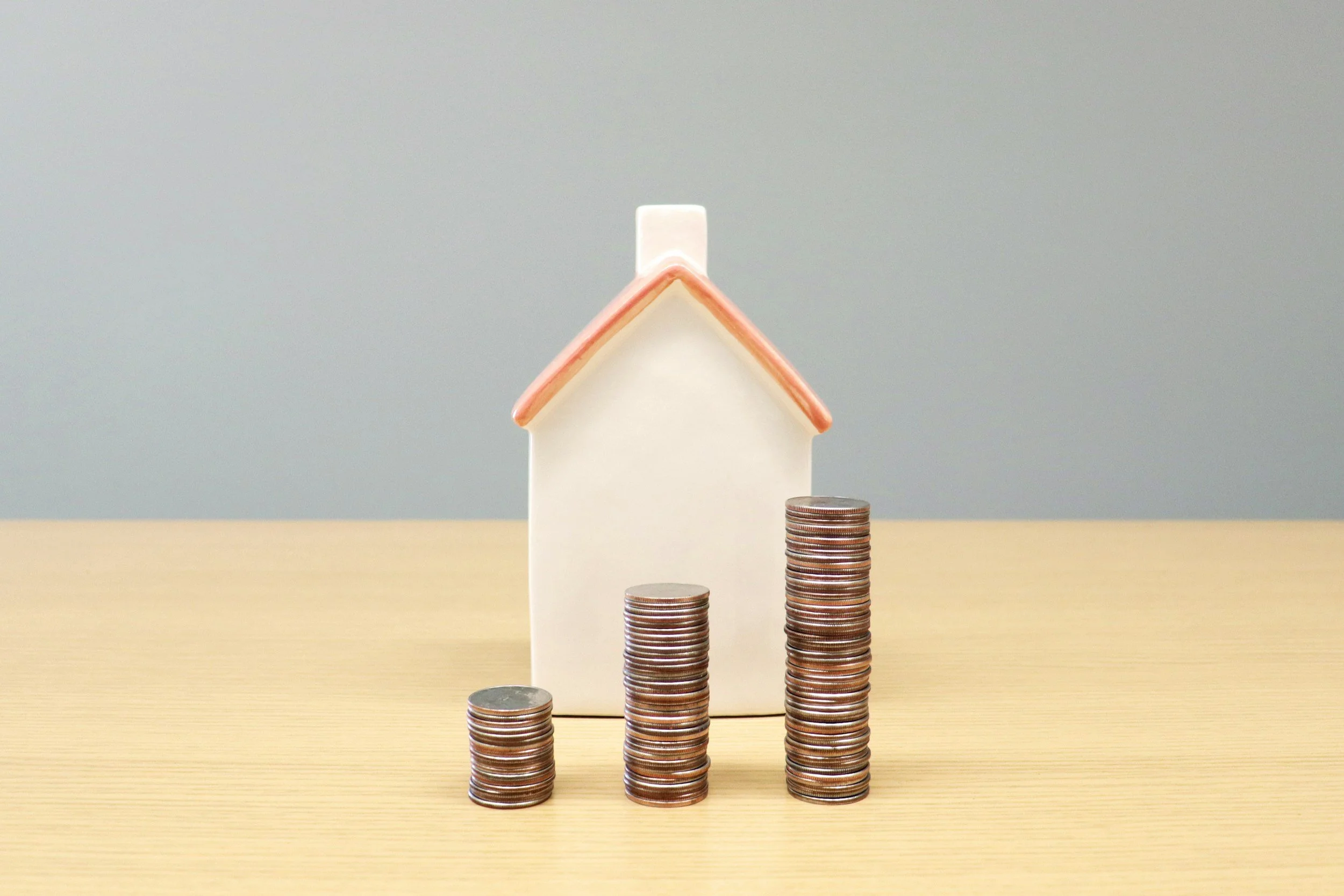
When people think about buying a home, the first number that usually comes to mind is the purchase price. But, the cost of buying a home goes far beyond that. From upfront expenses to ongoing monthly costs, understanding the full financial picture is one of the most important steps you can take as a buyer. This guide breaks down the true cost of buying a home so you can move forward with clarity—not surprises.
Down Payment: What You Need to Get Started
The down payment is often the biggest upfront cost—and one of the most misunderstood. Many buyers assume they need 20% down, but that’s not always the case. Depending on the loan type and your qualifications, some buyers may be able to put down significantly less. Check out our Home Financing Options Blog to learn more.
Key considerations:
A larger down payment can reduce your monthly payment
Smaller down payments may require mortgage insurance
Your down payment impacts your loan structure and long-term costs
If you’re unsure what options are available, it’s worth reviewing different financing paths before making assumptions.
Closing Costs: The Often Overlooked Expense
In addition to your down payment, you’ll also need to budget for closing costs. These are fees associated with finalizing your home purchase and typically range from 2% to 5% of the purchase price.
Common closing costs include:
Loan origination fees
Appraisal and inspection fees
Title insurance
Escrow fees
Prepaid taxes and insurance
Closing costs are one of the most common surprises for first-time buyers—but they’re a standard part of the process.
Monthly Costs: Beyond the Mortgage Payment
Owning a home comes with ongoing monthly expenses that go beyond just your mortgage.
Typical monthly costs include:
Mortgage principal and interest
Property taxes
Homeowners insurance
Mortgage insurance (if applicable)
HOA fees (if applicable)
When evaluating affordability, it’s important to look at your total monthly housing cost, not just the loan payment.
Hidden Costs of Homeownership
This is where many buyers underestimate the true cost. Owning a home means taking on responsibilities that renters don’t typically have.
Common hidden costs:
Maintenance and repairs
Appliance replacements
Landscaping and upkeep
Unexpected issues (plumbing, roofing, HVAC, etc.)
A good rule of thumb is to set aside 1–3% of your home’s value annually for maintenance and repairs. These costs aren’t always predictable—but they are inevitable over time.
How to Prepare Financially
The goal isn’t just to buy a home—it’s to do it sustainably.
Steps to prepare:
Build savings for both the down payment and closing costs
Maintain a financial cushion after purchase
Get pre-approved to understand your real budget
Review multiple financing options
Taking these steps can help you avoid unnecessary stress once you’ve moved in.
Common Mistakes to Avoid
Being aware of these can save you time, money, and frustration:
Focusing only on the purchase price
Draining savings for a larger down payment
Underestimating maintenance costs
Skipping financial preparation
Not fully understanding loan terms
Buying a home is a long-term decision—small missteps early on can have lasting impacts.
How Financing Impacts Your Total Cost
Your financing choice plays a major role in your overall cost.
Different loan types affect:
Your down payment
Monthly payments
Interest paid over time
Mortgage insurance requirements
To better understand your options, explore our guide to home financing options.
First-Time Buyer? Start Here
If you’re early in the process, it’s helpful to understand the full home-buying journey—not just the costs. Read our complete first-time home buyer guide to get a step-by-step overview. The cost of buying a home isn’t just about what you pay upfront—it’s about what you’re committing to over time.
When you understand the full picture, you can:
Make more confident decisions
Avoid unexpected financial strain
Choose a home that truly fits your situation
At Evergreen, we believe the best real estate decisions come from clarity—not assumptions. If you’re thinking about buying a home and want help understanding the full financial picture, we’re here to help. Start with a conversation and get clear on what makes sense for you.